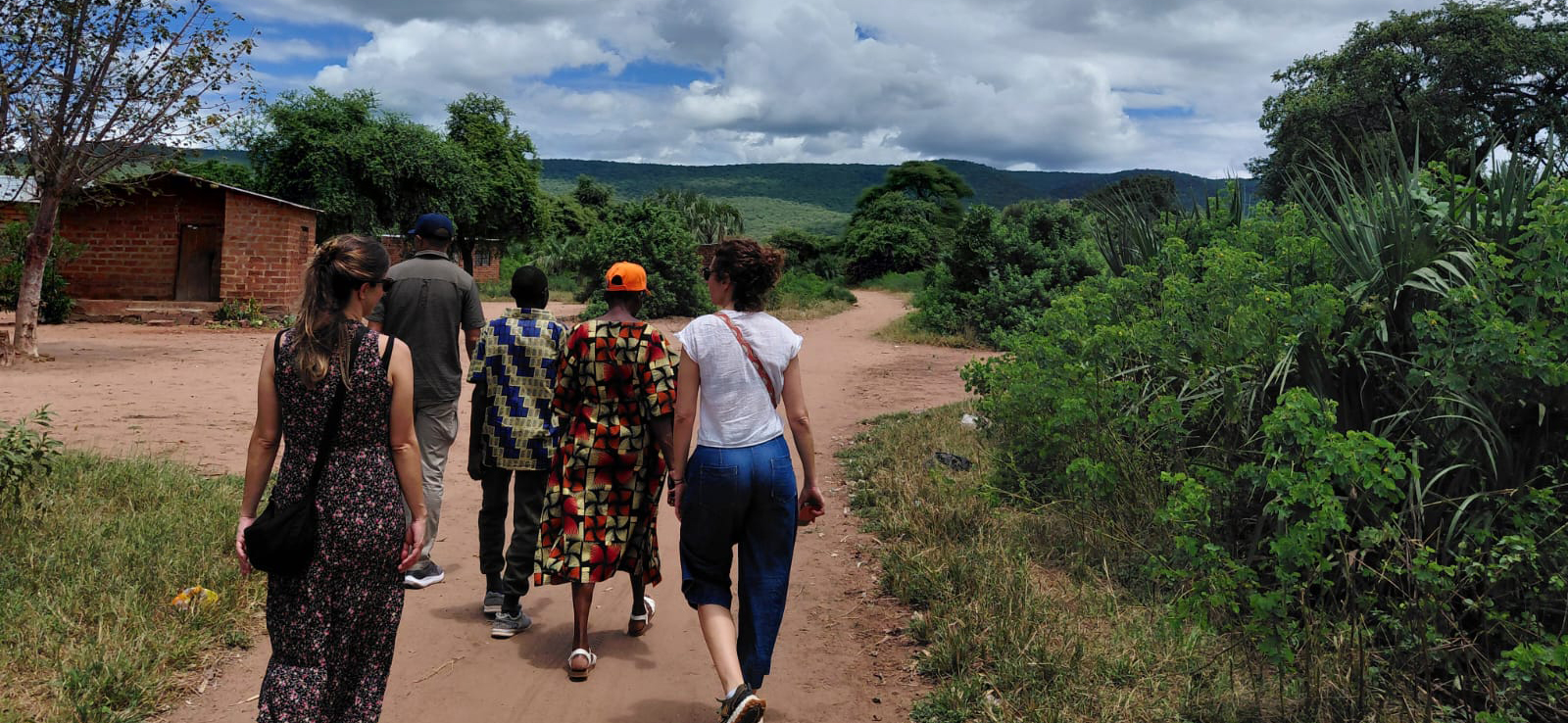
Between 9 and 14 March 2026, a team of researchers conducted a field mission in Zambia from to assess potential sites for the implementation of the 3SI-CONTROL project. This initiative responds to the World Health Organization’s call for integrated approaches to control neglected tropical diseases.
The 3SI-CONTROL project — Integrated Anthelmintic-Based Control of Taenia solium cysticercosis/taeniasis, Soil-transmitted Helminthiasis and Schistosomiasis — is being implemented in Zambia, Tanzania and Mozambique, bringing together a consortium of institutions, including the University of Dar es Salaam, the University of Zambia, Sokoine University of Agriculture, Fundação Manhiça, the Barcelona Institute of Global Health and Ghent University. Within the frame of the clinical trial TRIDENT – TRIple iNfection control through intEgrated Drug administration — the main objective is to evaluate the safety and efficacy of a new fixed-dose combination of albendazole and ivermectinco-administered with praziquantel, particularly in populations at risk of taeniasis, soil/transmitted helminthiasis and schistosomiasis. On top of that, the consortium aims to investigate the implementation success of the treatment and the changes it had in the quality of life of the participants.
The Sites’ Characteristics Are Optimal for the Clinical Trial
The mission in Zambia focused on the districts of Luangwa (Chitope rural health center, Mangelengele health post, Katondwe district hospital) and Nyimba (Chipembe rural health center and Chifukudzi health post). There, the team assessed health facilities, laboratory infrastructure, availability of human resources, and the level of community engagement. Overall, the findings indicate that both districts have suitable conditions to host the study, despite some limitations related to physical space, drug storage, and connectivity.
One of the key strengths identified was the presence of well-organized community health structures, including health committees and community health workers, which can support community mobilization and implementation. In addition, sample referral systems between health centres and district laboratories were found to be functional, representing an important asset for the project’s logistics.
Local Context Reinforces Study Relevance
The mission also confirmed the presence of key risk factors for the diseases targeted by the project. In several communities, free-roaming pig farming was observed, increasing the risk of transmission of taeniasis and neurocysticercosis. Furthermore, the use of natural water bodies for bathing and other activities exposes communities to schistosomiasis. This context of co-endemicity further supports the relevance of implementing the study in these areas.